
June 18, 2026

In the world of contemporary architecture, windows have evolved from mere openings to architectural statements that define the character of modern homes. European window systems, with their sleek profiles, innovative engineering, and minimalist aesthetics, are revolutionizing how we think about natural light, space, and the connection between indoor and outdoor living. For homeowners and architects seeking to create stunning contemporary spaces, understanding these cutting-edge window solutions is essential.
Minimalism in architecture isn’t just a trend-it’s a philosophy that emphasizes simplicity, functionality, and the beauty of clean lines. Modern European window systems embody these principles perfectly, offering ultra-slim profiles that maximize glass area while minimizing visible frames. This design approach creates an almost ethereal quality where windows seem to disappear, leaving only expansive views and abundant natural light.
At Rhea Windows, we’ve witnessed firsthand how these innovative systems transform ordinary spaces into extraordinary architectural experiences. The shift toward minimalist window design reflects broader changes in how we live, work, and interact with our environments, prioritizing openness, connection to nature, and energy efficiency.
The hallmark of contemporary European windows is their remarkably slim profiles. Systems like the MB-SLIMLINE and COR Vision achieve visible frame widths as narrow as 20-25mm, creating an almost frameless appearance. This engineering feat is possible through advanced materials and innovative structural designs that maintain strength while reducing bulk.
These slim profiles aren’t just about aesthetics-they also maximize the glass-to-frame ratio, allowing more natural light to flood interior spaces. In a typical installation, modern European systems can increase glass area by up to 30% compared to traditional window designs, dramatically enhancing both views and daylight penetration.
Nothing disrupts clean architectural lines quite like visible hinges and handles. European manufacturers have perfected concealed hardware systems that integrate seamlessly into window frames. These hidden mechanisms maintain the minimalist aesthetic while providing smooth, reliable operation for decades.
Advanced systems feature innovative solutions like magnetic latches, integrated handles that sit flush with frames when not in use, and hinges that completely disappear when windows are closed. This attention to detail ensures that every element contributes to the overall minimalist design vision.
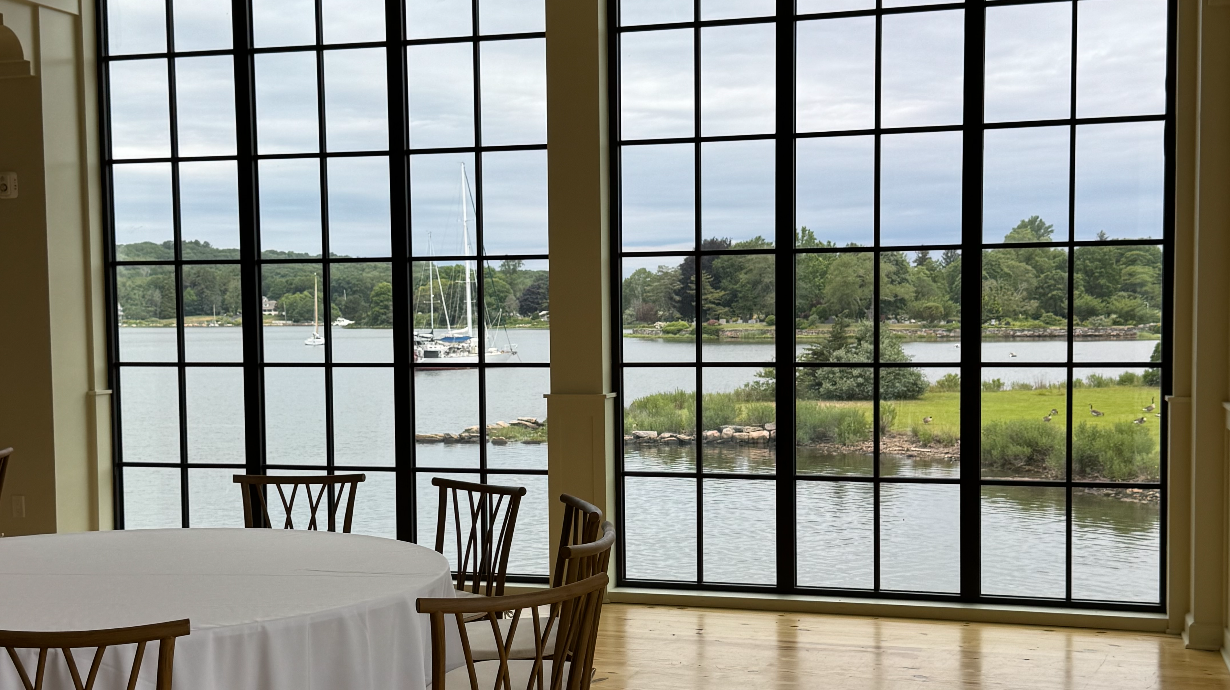
Modern European window systems excel at creating dramatic floor-to-ceiling installations that blur the boundaries between interior and exterior spaces. These expansive glass walls, made possible by reinforced aluminum and advanced structural engineering, can span entire room widths while maintaining exceptional stability and thermal performance.
The MB-77 HS lift-and-slide systems exemplify this capability, supporting glass panels up to 3.24 meters high and 3.3 meters wide, with weights up to 600kg. Such impressive specifications enable architects to design truly breathtaking spaces filled with natural light and panoramic views.
Aluminum has become the material of choice for modern minimalist windows due to its exceptional strength-to-weight ratio and design flexibility. European aluminum systems incorporate sophisticated thermal break technology, addressing the material’s natural conductivity while maintaining slim profiles.
Systems like the MB-86N and MB-79N achieve thermal transmittance values as low as 0.64 W/(m²K) while featuring profiles significantly slimmer than traditional options. The material’s versatility also allows for unlimited color options through powder coating or anodizing, enabling perfect integration with any architectural palette.
For projects demanding the absolute slimmest profiles, European steel window systems offer unmatched elegance. Steel’s superior strength allows for even narrower frames than aluminum, creating an almost invisible barrier between indoor and outdoor spaces.
Modern steel systems have evolved beyond their industrial origins, incorporating thermal breaks and advanced weather sealing to meet contemporary performance standards. While typically more expensive than aluminum, steel windows provide an unparalleled aesthetic for high-end residential and commercial projects.
One might assume that maximizing glass area conflicts with energy efficiency goals, but European window manufacturers have brilliantly reconciled these seemingly opposing demands. Through innovative engineering, modern minimalist windows achieve exceptional thermal performance without compromising their sleek appearance.
Contemporary European systems accommodate triple-glazed units up to 52mm thick, incorporating low-E coatings, argon gas fills, and warm-edge spacers. These advanced glazing packages achieve U-values comparable to insulated walls while maintaining crystal-clear views and minimal visual distortion.
The latest generation of thermal breaks uses materials like polyamide strips reinforced with glass fiber, creating effective thermal barriers within slim aluminum profiles. Some systems feature multiple thermal breaks strategically positioned to minimize heat transfer while maintaining structural integrity.
Many European minimalist window systems meet or exceed Passive House standards, proving that aesthetic excellence and environmental responsibility can coexist. Systems like the MB-104 Passive achieve whole-window U-values below 0.8 W/(m²K) while maintaining the clean lines demanded by contemporary architecture.
Modern minimalist windows increasingly incorporate smart technology that enhances both convenience and energy efficiency. European manufacturers have embraced automation and connectivity, creating systems that respond intelligently to environmental conditions and user preferences.
Motorized opening mechanisms allow large window panels to be operated effortlessly via smartphone apps or integrated home automation systems. These systems can be programmed to respond to weather conditions, automatically closing when rain is detected or opening to provide natural ventilation based on indoor air quality sensors.
Some cutting-edge European systems now accommodate electrochromic or thermochromic glazing that automatically adjusts tint levels based on sunlight intensity. This technology eliminates the need for external shading devices, preserving the minimalist aesthetic while optimizing comfort and energy efficiency.
In contemporary homes, minimalist European windows create living spaces that feel larger, brighter, and more connected to their surroundings. Popular applications include:
European minimalist window systems have become the gold standard for contemporary commercial architecture. Their ability to create transparent, light-filled spaces while meeting stringent performance requirements makes them ideal for offices, museums, restaurants, and retail environments.
The sophistication of modern European window systems demands equally sophisticated installation techniques. Proper installation is crucial not only for performance but also for achieving the precise alignments and minimal tolerances that define minimalist design.
Large-format minimalist windows often require reinforced openings and carefully engineered support systems. Load calculations must account for wind loads, thermal movement, and the considerable weight of triple-glazed units. Many systems incorporate adjustable mounting brackets that allow for precise alignment during installation.
Achieving the clean lines of minimalist design requires careful integration with building weather barriers. European systems typically include sophisticated perimeter sealing systems that maintain weathertightness while remaining virtually invisible. Proper installation of these systems requires trained professionals familiar with European building techniques.
Despite their delicate appearance, quality European minimalist windows are engineered for decades of reliable performance. The premium materials and precision manufacturing ensure that these systems maintain their appearance and functionality with minimal maintenance.
Regular maintenance typically involves little more than cleaning glass surfaces and occasionally lubricating concealed hardware. The durable finishes used on aluminum and steel frames-whether anodized, powder-coated, or thermally treated-resist weathering and maintain their appearance for decades.
European minimalist window systems represent a significant investment, typically costing 40-70% more than standard windows. However, this premium reflects not just superior aesthetics but also enhanced performance, durability, and the transformative impact on living spaces.
When evaluating costs, consider the long-term value proposition: energy savings from superior thermal performance, increased property values from architectural distinction, and the intangible benefits of living in light-filled, visually connected spaces. For many homeowners and developers, these benefits far outweigh the initial investment.
The evolution of minimalist window design continues as manufacturers push the boundaries of what’s possible. Emerging trends include even slimmer profiles achieved through advanced materials like carbon fiber composites, integration with photovoltaic technology for energy generation, and smart glass technologies that eliminate the need for traditional window treatments.
As sustainability becomes increasingly important, we’re seeing innovations in recycled materials, improved thermal performance, and designs that facilitate natural ventilation strategies. The future of minimalist windows lies in systems that are not just beautiful but also actively contribute to building performance and occupant wellbeing.
Selecting the ideal minimalist window system requires balancing aesthetic goals, performance requirements, and budget constraints. Consider factors such as climate conditions, architectural style, structural requirements, and long-term maintenance when making your decision.
Working with experienced professionals who understand both European window technology and local building codes ensures successful project outcomes. At Rhea Windows, we combine deep product knowledge with installation expertise to help architects and homeowners realize their vision for contemporary living spaces.
Yes, modern European minimalist windows are engineered to withstand extreme weather conditions. Many systems are tested to hurricane-force wind loads and can be configured with impact-resistant glazing, making them suitable for coastal and severe weather regions while maintaining their sleek aesthetic.
Despite their minimal frames, European slim-profile windows often outperform traditional windows in energy efficiency. Advanced thermal breaks, triple glazing options, and superior air sealing enable these systems to achieve U-values as low as 0.6 W/(m²K), exceeding most energy code requirements.
Custom European minimalist windows typically require 12-16 weeks from order to delivery, depending on the manufacturer and complexity of the project. This lead time includes precise manufacturing to specifications and shipping from European facilities, so early planning in the project timeline is essential.